LINN COUNTY’S FREEZE-THAW PAVING SPECIALISTS
Asphalt Crack Filling & Repair in Cedar Rapids, IA
Asphalt naturally contracts in cold weather and expands in heat. In Linn County, that cycle doesn’t happen once a year — it happens repeatedly through fall and spring as temperatures swing above and below freezing day to day. Each cycle stresses the asphalt binder a little more, and once a crack forms, water gets into it and freezes, physically wedging the crack wider. A hairline crack in October can be a real problem by March if it’s left untreated.
Get a Free Estimate
No obligation — we’ll call or text you back fast.
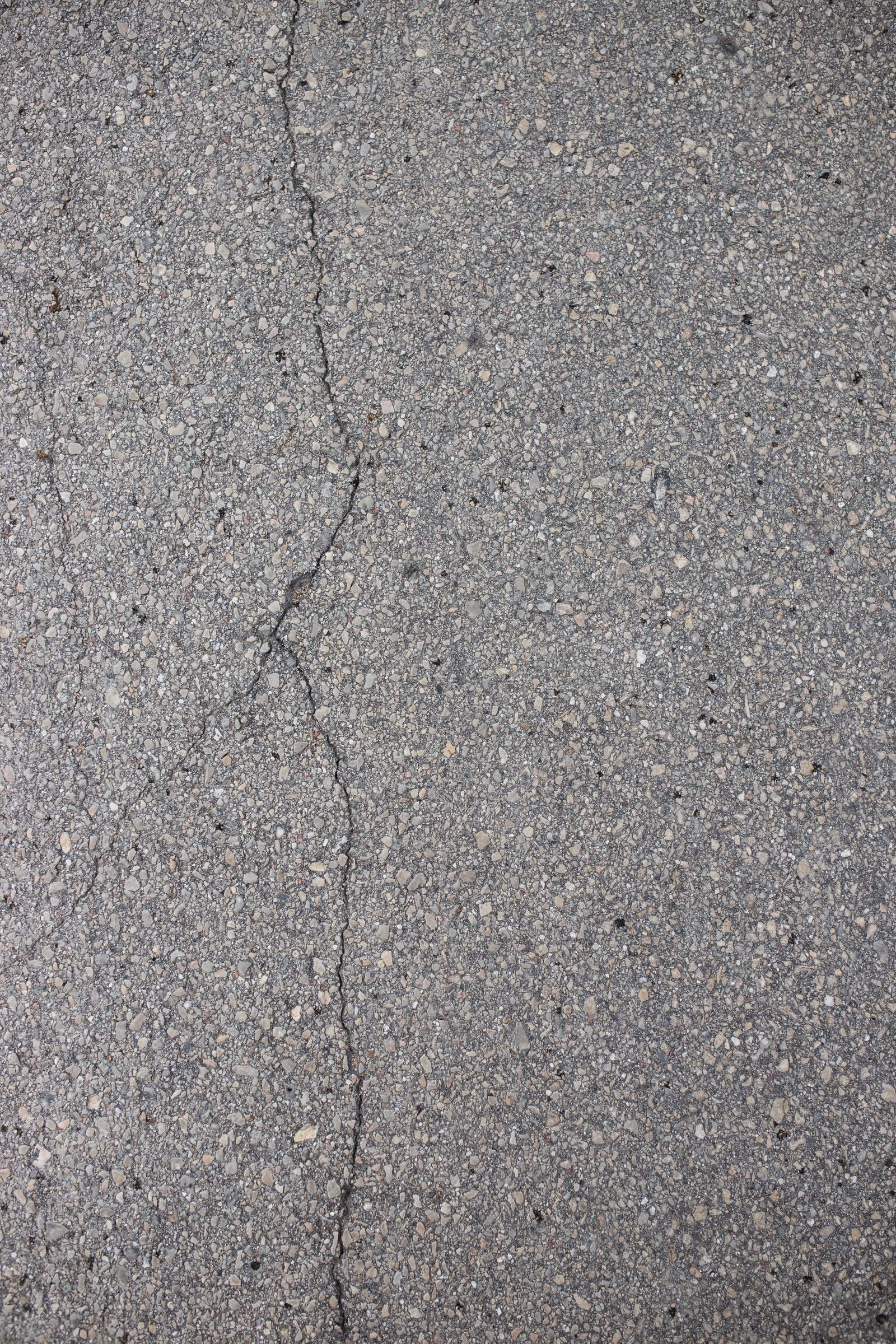
Types of Cracks and What Each One Means
- Hairline/surface cracks — early-stage, cosmetic and preventable from worsening if caught early
- Alligator cracking — a web-like pattern indicating the base beneath the surface is failing, not just the top layer; crack filling alone won’t fix this
- Edge cracks — usually from poor drainage or lack of support at the pavement edge
- Reflective cracks — cracks that telegraph up from an underlying layer (common in overlays)
The Crack Filling Process
- Cleaning out the crack — removing debris, vegetation, and loose material
- Drying the crack fully (moisture prevents proper sealant bonding)
- Applying hot-pour rubberized sealant, which flexes with the asphalt through temperature swings rather than cracking again immediately
- Cure time before the surface can be driven on
When Crack Filling Isn’t Enough
If cracking has progressed to alligatoring, or if there’s noticeable sinking/unevenness alongside the cracks, that usually signals base failure — at that point patching or a full resurfacing is the honest recommendation, not another round of crack filling that won’t hold.
What It Costs
[Fill in with actual local pricing once you have a data point — typically priced per linear foot]
FAQ
How often should asphalt cracks be filled in Iowa? As soon as they appear — small cracks are far cheaper to address than the damage that follows if water gets in.
Does crack filling actually stop the problem, or just slow it down? Properly done, it prevents water intrusion and significantly slows further damage.
Can cracks be filled in cold weather? Hot-pour sealant application generally requires reasonably warm, dry conditions.
What’s the difference between crack filling and crack sealing? The terms are often used interchangeably; both refer to filling cracks with flexible sealant to prevent water intrusion.
How do I know if my cracks need patching instead? Alligator cracking or visible sinking usually means the base has failed and patching is needed.
Call Now: (319) 555-0142 for a free estimate.